Research

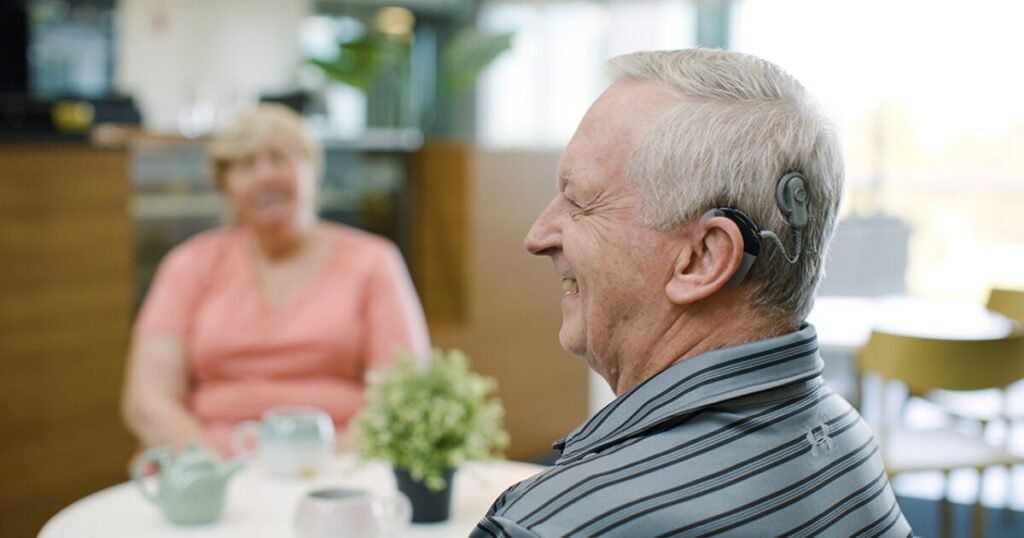
At NextSense, we strive to improve on our evidence-based clinical services and better our understanding of innovative hearing technologies.

leading research

Our clinicians are actively involved in a number of leading research projects—both independently and in collaboration with local and international organisations.
NextSense is continually looking for new opportunities to work with interested research partners to explore novel ways of improving the quality of life of those with hearing loss.

Research proposals

The NextSense research advisory committee meets once a month to review all submitted research proposals. If you have a proposal for submission, please email our research advisory committee.

To ensure a timely review of your application, please include the correct supporting documentation.

For projects where NextSense will be actively involved in project planning, ethics approval, data collection and/or publication, please provide the following documentation:

— Relevant HREC approval (if available)
— Copy of HREA (if available)
— Participant information sheets, consent forms, and recruitment letters/flyer (if available)
— Working With Children certificate (if applicable)

For research projects where recruitment of NextSense clients or access to the database is solely required, please provide the documents listed below:

— Relevant HREC approval
— Copy of HREA
— Participant information sheets, consent forms, and recruitment letters/flyer
— Working With Children certificate (if applicable).

Reporting

Progress updates

The NextSense research advisory committee requires a project progress update be submitted every six months from the date of NextSense approval.


Final project report and data access

A final report must be submitted to NextSense within one month of the project completion date. NextSense will have the right to access the study data that has been collected from NextSense participants and/or data that has been collected through the use of tests for clinical or research purposes.


However, NextSense will seek the permission of the applicant/PI should the organisation wish to present or publish this data outside NextSense.


Incident reporting
It is imperative that the HREC and the NextSense CIP Research Governance Committee are notified of any adverse or unusual events that may occur during testing. A report must be submitted to the committee detailing:


— Any necessary background information
— The incident
— How harmful the incident is to the patient.
— Steps that the investigators are taking to avoid this incident occurring in the future.

Research projects

Learn about current research projects being undertaken at NextSense, and how you can get involved.

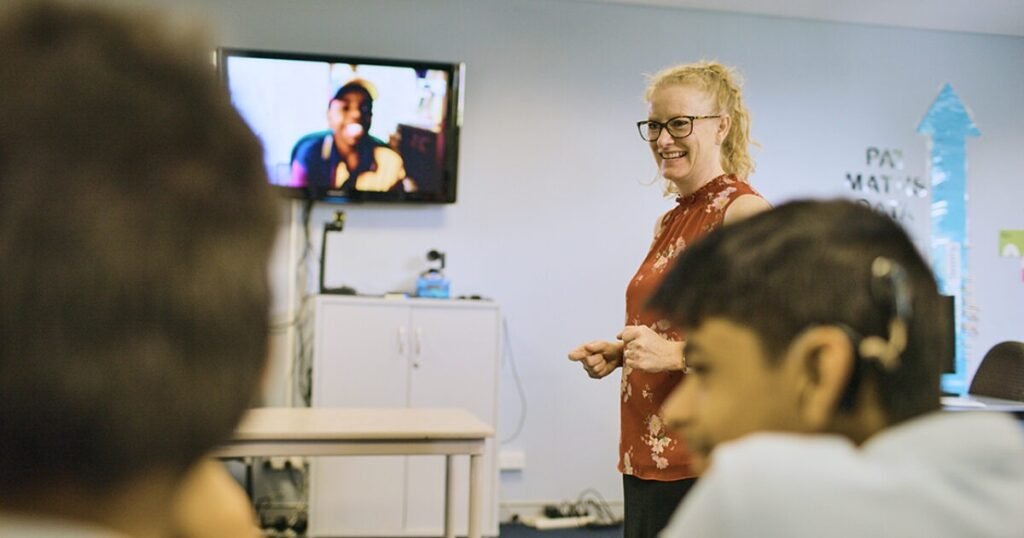
Paediatric hearing assessment with tele-audiology

With the improvement of technology, telemedicine has

Infant Monitor of Vocal Production (IMP)

The Infant Monitor of Vocal Production (IMP)

The Australian Childhood Vision Impairment Register (ACVIR)

The Australian Childhood Vision Impairment Register is

Cochlear Implant Neurotrophin Gene Therapy Trial

This trial evaluates the safety and efficacy

Publications

Familiarise yourself with the research we do at NextSense through our journal publications, book chapters, theses and journal articles.

Our researchers

Meet the dedicated team of researchers currently pursuing projects at NextSense.

Clinical Professor Catherine Birman
OAM

Clinical Professor Birman is one of the most experienced cochlear implant surgeons in th...

Professor Greg Leigh
AO

Professor Leigh has built an impressive career specialising in education for people who are...

Professor Philip
Newall

Conjoint Professor Philip Newall began his work in audiology in the National Health Ser...

Dr Robyn Cantle
Moore

Robyn Cantle Moore has more than 30 years’ experience as an educator in the fields of he...

Scroll to Top